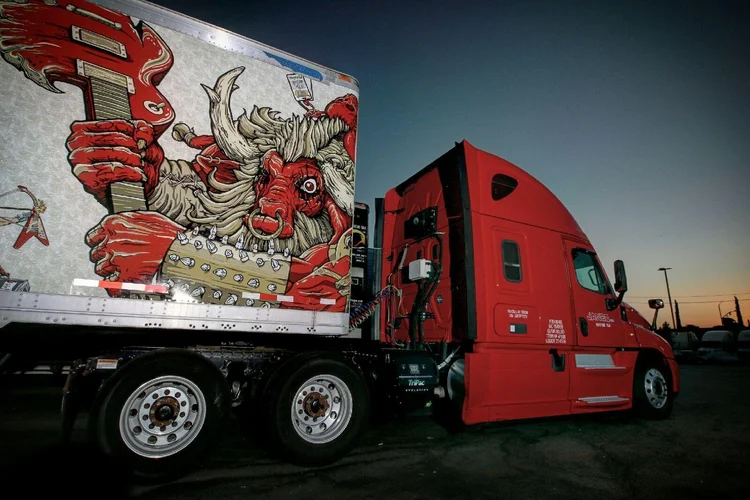

Load-In & Load-Out Management for Concert Tours
In concert logistics, most schedule problems don’t start on the highway — they start at the dock. Load-in and load-out is where timing gets protected (or lost), and small delays can compound across cities.
This page breaks down the operational systems that keep load-ins efficient, crews aligned, and trucks staged for the next move.

Why Load-In & Load-Out Matters in Concert Logistics
Unlike standard freight, touring productions operate within fixed venue windows. Dock access, labor calls, show start times, and curfews create hard constraints. When load-in slips, everything downstream compresses — and the tour pays for it.
- Dock access windows are often short and strictly enforced
- Labor and union calls can increase costs when timing slides
- Build sequencing depends on the right gear arriving in the right order
- Curfews and contracted performance timing leave little flexibility
- Overnight repositioning depends on disciplined load-out
The Load-In System
Great load-ins look smooth because the constraints were handled in advance — not because the team “hustled harder” on show day. The goal is simple: the right trailer staged, the right order, the right dock timing, and the right communication.
1) Advance Coordination
Confirm dock access windows, points of contact, venue rules, and the plan for staging. Load-in is a scheduled operation — not a surprise.
2) Dock Window Protection
Arrive staged and ready so dock access is used efficiently. Miss the window and you may be delayed behind other events or forced into a compressed build.
3) Trailer Sequencing
Trailer order matters. Departments can’t build if the right cases are buried. Sequencing is one of the fastest ways to protect time without spending more money.
4) Staging & Equipment Flow
Load-in works best when equipment flow is planned: what comes off first, where it lands, and how departments move through the space.
5) Real-Time Communication
When the dock gets tight, communication becomes the system. Clear updates prevent confusion, reduce idle labor time, and keep execution predictable.
The Load-Out System
Load-out determines tomorrow’s success. Tours that stay on time treat load-out as a reset process — staged, sequenced, and disciplined. If load-out is sloppy, the next city starts behind schedule before the trucks even move.
1) Show-End Timing & Crew Flow
A clean load-out starts with role clarity. Departments need defined responsibilities so teardown doesn’t bottleneck.
2) Pack Order & Protection
Pack order is time strategy. The way cases are loaded impacts the speed of the next load-in and helps protect equipment in transit.
3) Dock Exit Strategy
Some venues have strict dock shutdown times. Load-out planning should account for final push timing, security, and venue constraints.
4) Overnight Repositioning Readiness
Tours that stay on schedule leave the venue ready for the next move: trucks staged, paperwork aligned, and the route plan confirmed.
Common Failure Points That Create Delays
- Late arrival to staging that compresses dock access time
- Unclear venue rules that cause last-minute adjustments
- Incorrect trailer order that slows department build
- Dock congestion with other shows or events
- Disconnected communication between production, venue, and trucking
- Undisciplined load-out that ruins the next day before it starts
How Load-In & Load-Out Connects to Tour Routing
Routing is only “good” if it supports venue timing. A route that looks efficient on a map can still fail if it ignores dock windows, turnarounds, crew rest cycles, and the reality of show-day sequencing.
Next up: Tour Routing & Multi-City Planning
FAQ: Load-In & Load-Out Management
What is load-in in concert logistics?
Load-in is the scheduled process of unloading production equipment at a venue and staging it for build. Timing depends on dock access windows, sequencing, and coordination with venue and crew teams.
What is load-out?
Load-out is the teardown and reload process after a show. A disciplined load-out protects the next day’s schedule by keeping gear sequenced and trucks ready for repositioning.
Why do tours lose time during load-in?
Tours commonly lose time due to missed dock windows, trailer sequencing issues, venue constraints, and disconnected communication between departments.
How is load-in different from freight unloading?
Freight unloading is often flexible within delivery windows. Tour load-in is tied to fixed venue access, labor timing, build sequencing, and show start deadlines.
Related Reads