
Tour Routing & Multi-City Planning for Concert Tours
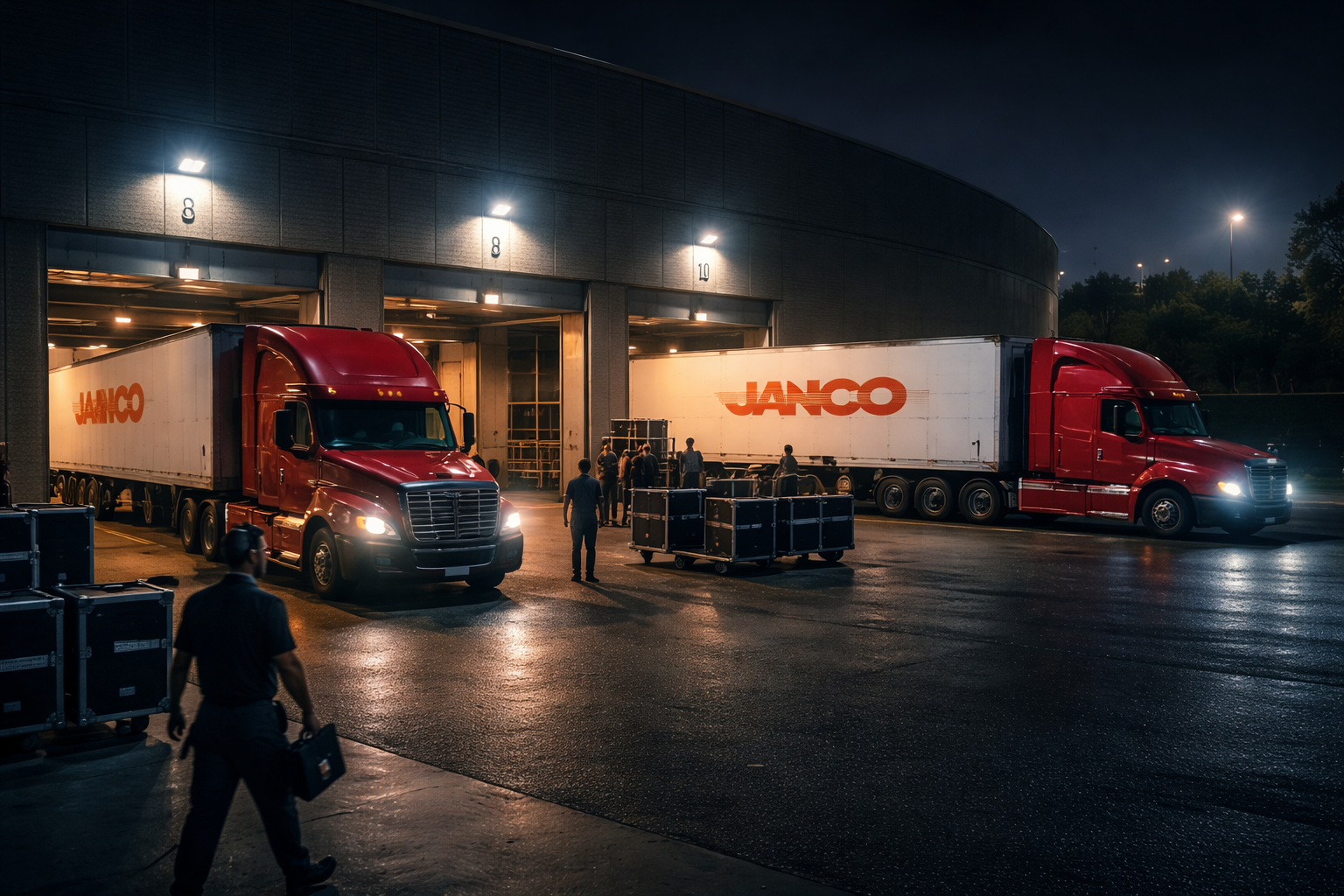
Tour routing isn’t just mileage — it’s timing strategy. The best routes protect venue windows, crew rest, and load-in sequencing so shows don’t fall behind in 30-minute increments.
This page outlines the routing systems touring teams use to keep multi-city runs predictable, repeatable, and on time.
Why Routing Matters in Concert Logistics
Routing for touring productions must account for more than distance. Venue access windows, show timing, curfews, traffic restrictions, border crossings, and overnight repositioning all create constraints that freight routes typically don’t.
- Venue windows determine when trucks can arrive and unload
- Turnarounds require realistic drive-time planning
- Crew rest impacts safety and schedule reliability
- Load-in sequencing depends on arrival timing and staging
- Delays compound across a multi-city run
Related pillar: Concert Logistics
The Tour Routing System
Strong routing is built around constraints and contingency — not best-case assumptions. These are the core components that protect timing in multi-city tours.
1) Venue Window Alignment
Routing starts with the venue: dock access, staging rules, security timing, and local restrictions. A route that ignores venue realities creates show-day stress and compressed builds.
2) Drive-Time Realism
Drive times must reflect real-world variables: urban congestion, weather patterns, checkpoints, and time-of-day conditions. The goal is consistent arrival timing — not optimistic estimates.
3) Turnaround Planning
Tight turns require explicit planning: load-out end time, truck departure time, overnight repositioning, and next-day dock access. When this chain is unclear, schedules fail.
4) Staging & Arrival Strategy
In some markets, arriving early and staging nearby can protect dock windows. Routing should include staging options, parking constraints, and the arrival plan — not just the destination.
5) Contingency & Buffer Design
Great routing includes buffers where they matter most. Weather, construction, and venue complexity happen — routing discipline means building in the flex that prevents a small delay from becoming a missed show.
Multi-City Planning: What Touring Teams Must Consider
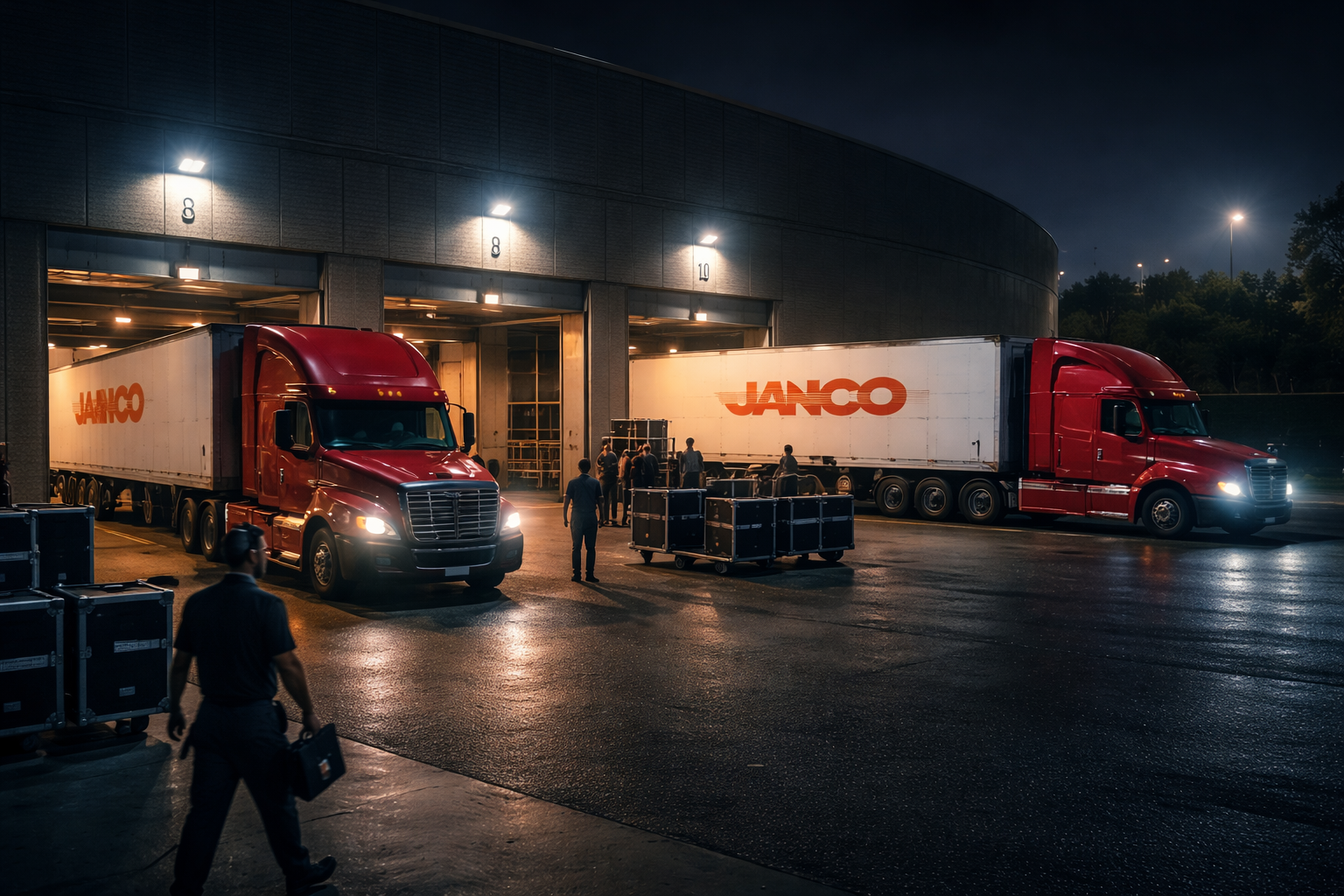
Multi-city tours introduce compounded risk. Each city adds its own constraints — and routing must account for how timing changes from stop to stop.
- Back-to-back cities and limited overnight repositioning time
- Venue variability (dock size, access, staffing, policies)
- Local restrictions (truck routes, curfews, city ordinances)
- Border crossings and documentation timing when applicable
- Weather exposure (especially outdoor runs and seasonal legs)
- Schedule compression when a single delay cascades
How Routing Connects to Load-In & Load-Out
Routing only works when it supports the dock. A route can look perfect on a map and still fail if it misses the load-in window or forces a compressed build. The routing plan and the load-in plan are one system.
Related read: Load-In & Load-Out Management
Common Routing Mistakes That Break Tour Timing
- Planning on best-case traffic instead of real travel conditions
- Ignoring venue windows and assuming dock access is flexible
- No staging plan for early arrivals or restricted parking markets
- Over-tight turnarounds that depend on flawless load-outs
- Weak contingencies when weather or construction hits
- Disconnected communication between routing and production leadership
FAQ: Tour Routing & Multi-City Planning
What is tour routing in concert logistics?
Tour routing is the planning process that aligns travel time, venue windows, staging, and contingencies so equipment arrives in time for load-in and show schedules remain protected.
Why is routing for tour trucking different from freight?
Tour routing is tied to fixed performance deadlines, venue access windows, and build sequencing. Freight routing often has more flexibility within delivery windows.
What should touring teams plan first?
Start with venue windows and realistic drive times. Once those constraints are clear, build staging and contingency plans to protect timing across the run.
How do tours handle tight turnarounds between cities?
Tight turns require disciplined load-out, overnight repositioning readiness, and buffers in the schedule. Routing should assume real conditions—not best-case scenarios.
Related Reads