

Touring Logistics Built for Life on the Road
Live music tours move fast, change often, and leave little room for error. Janco provides touring logistics for music and live performances where timing, access, and experience matter as much as the miles between cities.
From clubs and theaters to arenas and outdoor venues, we support concert touring operations that depend on reliable routing, informed drivers, and teams who understand the realities of life on the road.
Touring Industry Logistics for Music & Live Performances
How Touring Logistics Supports Live Entertainment
The touring industry depends on more than artists, crews, venues, and equipment. It depends on timing. Every show has a load-in window, a production schedule, a venue layout, a routing plan, and a team of people counting on the next move to happen correctly.
Touring logistics is the planning layer that connects those moving parts. It supports tour managers, production managers, road crews, vendors, venues, and drivers as a production moves from city to city.
Janco has supported the touring industry across North America since 1975, helping live entertainment productions move through changing schedules, tight docks, overnight drives, and the realities of show day.
What Makes Touring Different From Standard Freight
Standard freight is built around pickup and delivery. Touring is built around show schedules. Your load-in window is fixed, your curtain time is fixed, and your crew's patience has a limit.
When a truck shows up late, the issue is not just transportation. It affects staging, lighting, sound, crew calls, venue access, and the entire production timeline. That is why touring logistics requires a different level of planning than general freight.
For live entertainment, drivers need to understand dock access, staging areas, venue changes, local traffic, overnight routing, and the pressure of a production schedule that cannot simply move to tomorrow.
How Tour Routing Shapes the Entire Production
Tour routing affects everything: truck count, driver planning, fuel costs, timing, equipment staging, border crossings, and how much margin exists between one show and the next.
Some itineraries are built six to eight months out. Others come together closer to the first date and continue changing as holds confirm, venues shift, and promoters finalize schedules. Strong tour routing and multi-city planning helps production teams adjust without losing control of the operation.
In touring, the first draft is rarely the final version. The logistics plan has to move with the tour.
Why Venue Coordination Matters
Every venue has its own reality. Some have easy dock access. Some require early staging. Some have new construction, tight city streets, limited parking, union schedules, or access windows that leave no room for delay.
That is why venue coordination starts before the truck arrives. Drivers and logistics teams need to confirm dock access, arrival windows, staging options, and site-specific requirements before the production reaches the next city.
This is where load-in and load-out management becomes part of the larger touring operation, not just a venue-day detail.
The Role of Drivers in Touring Productions
In the touring industry, drivers are not anonymous freight carriers. They become part of the production rhythm. They learn the route, the crew, the docks, the timing, and the pressure points that come with moving a live show night after night.
For long runs, continuity matters. A driver who understands the production can anticipate problems before they become delays. For tight turnarounds, team drives may be required so the truck keeps moving while remaining DOT compliant.
That driver knowledge is one of the biggest differences between entertainment transportation and standard freight.
Touring Productions Come in Every Scale
The touring industry includes club runs, theater tours, Broadway productions, arena concerts, festivals, residencies, corporate events, and emerging artists moving through their first national dates.
Some productions move in one box truck. Others require multiple 53-foot trailers, drop decks, climate-controlled trailers, flatbeds, or specialty equipment depending on the show design. A complete concert logistics plan has to account for the production itself, not just the destination.
Janco has supported productions including Warped Tour, Stomp, and Government Mule, alongside Broadway productions, residencies, festival circuits, and live entertainment projects across North America.
Where Janco Fits Into the Touring Industry
Janco supports the transportation and logistics side of live entertainment, helping production teams move equipment, staging, lighting, audio, backline, merchandise, and support materials between cities.
For production teams ready to plan transportation, our touring logistics service page explains how Janco supports routing, scheduling, multi-truck coordination, venue communication, cross-border moves, and all-inclusive tour pricing.
The productions change. The standard does not.
Touring Industry FAQs
What is the touring industry?
The touring industry includes the artists, production managers, tour managers, road crews, venues, promoters, vendors, drivers, and logistics teams that help live performances move from city to city.
How do live music tours move between cities?
Live music tours move through coordinated transportation planning, truck routing, driver scheduling, venue communication, load-in timing, and production support. Every move is planned around the next show date.
Who manages logistics for a concert tour?
Tour logistics are typically coordinated by production managers, tour managers, transportation providers, drivers, vendors, and venue teams working together to keep equipment and crews moving on schedule.
Why is tour routing important?
Tour routing determines how much time exists between cities, how many trucks and drivers are needed, whether team drives are required, how border crossings are handled, and how much risk exists between one show and the next.
How do venues affect touring logistics?
Venues affect touring logistics through dock access, parking, staging space, union schedules, construction, arrival windows, and local traffic conditions. These details can directly impact load-in and show-day timing.
The Realities of Concert Touring
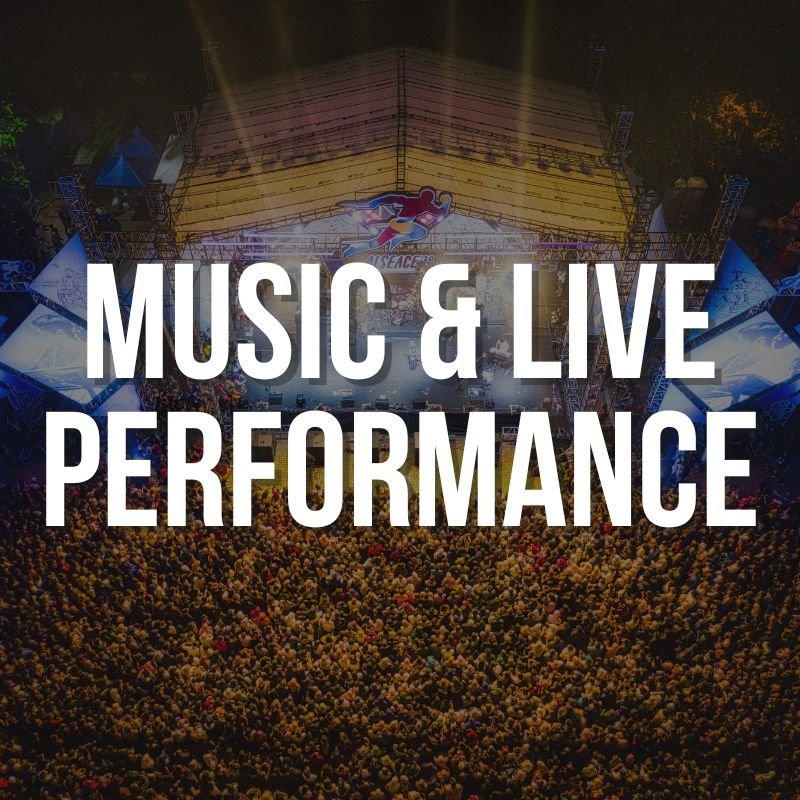
Touring logistics isn’t just transportation—it’s managing movement in unpredictable environments.
City-to-city routing requires constant adjustment based on venue access, traffic patterns, and show schedules.
Weather can impact travel time, load-ins, and equipment handling without warning.
Venue access windows are tight and non-negotiable, often measured in minutes.
Turnarounds between shows leave little recovery time for crews and drivers.
Crew fatigue is real, and experienced touring support helps reduce friction across the entire operation.
These are the conditions live music tours operate in—and the conditions we plan for.
How Janco Supports Live Music Tours
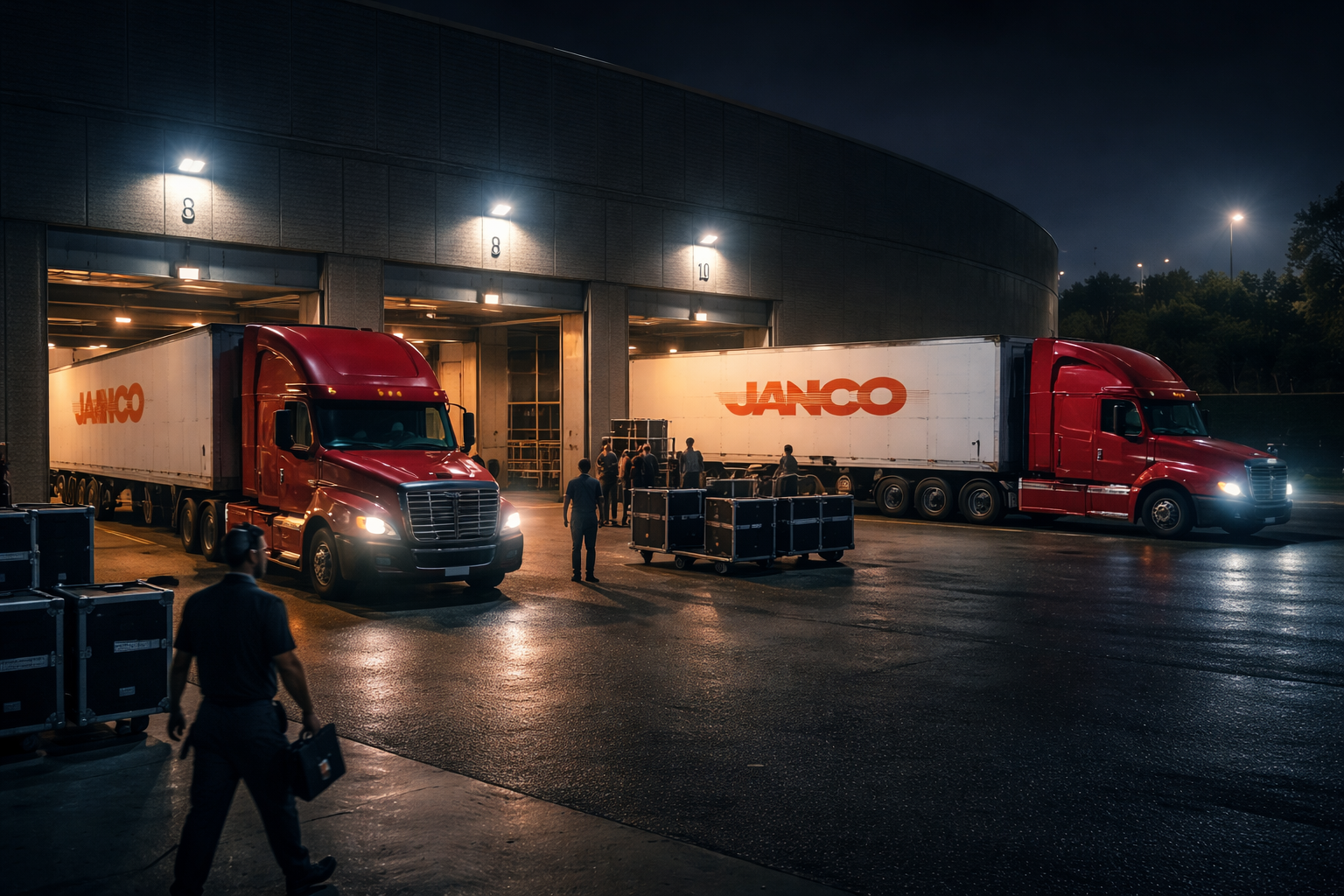
Janco supports touring logistics with a process built specifically for concert touring environments:
Pre-tour planning to align routing, venues, and schedules
City-to-city transportation designed around show days and load-in times
Experienced drivers familiar with touring routes, docks, and access points
On-road coordination to adjust for weather, traffic, and schedule changes
Reliable execution when tours move night after night
Our role is to reduce uncertainty so touring artists, road crews, and production teams can stay focused on the show.
Concert Logistics
50 Years Moving Tours Across North America
From routing to load-in, Janco's concert logistics operation is built around one thing — the show. Explore the full depth of how we support touring productions across the U.S. and Canada.
let’s talk touring logistics
If your live music tour requires dependable touring logistics backed by experience, Janco is built to support the road ahead.
READY TO PLAN YOUR NEXT TOUR?
CONTACT
Questions. Concerns. Let’s Work Together. See You On The Road.